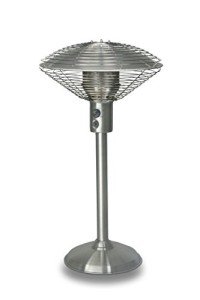
Don't Buy Into These “Trends” About Weatherproof Heaters
The Essential Guide to Garden Heaters in the UK
As the nights attract and the seasonal chill begins to seep into the air, garden spaces typically receive less attention. However, with www.fireplacesandstoves.uk of garden heaters, home and outdoor enthusiasts can extend their pleasure of these areas well into the cooler months. In the UK, garden heaters have actually progressed into a necessary function that adds heat, atmosphere, and functionality to gardens. This article checks out the various types of garden heaters readily available, their benefits and disadvantages, and handy suggestions for selecting the finest choice for your outdoor location.
Table of Contents
- Types of Garden Heaters
- Gas Heaters
- Electric Heaters
- Wood-Burning Heaters
- Patio Umbrella Heaters
- Fire Pits
- Advantages and Disadvantages of Garden Heaters
- Selection Guide for Garden Heaters
- FAQs
- Conclusion
1. Types of Garden Heaters
When selecting a garden heater, it is important to think about how successfully it warms the space while also complementing the total aesthetic of the garden. Below are the most common types of garden heaters readily available in the UK market.
Gas Heaters
Gas heaters are powered by propane or butane, providing an effective source of heat that can warm a large location rapidly. They are typically seen at outdoor dining establishments and coffee shops because of their effectiveness.
Pros:
- High heat output
- Mobility
- Ideal for large areas
Cons:
- Requires routine refilling of gas
- Some models can be costly
Electric Heaters
Electric heaters are acquiring popularity in property gardens due to their benefit and ease of usage. Readily available in numerous styles, they can be installed to a wall, installed in a ceiling space, or placed as freestanding units.
Pros:
- Easy to run
- No need for gas refills
- Readily available in diverse designs
Cons:
- Dependent on electricity supply
- May have higher running costs compared to gas
Wood-Burning Heaters
Wood-burning heaters and ranges use a rustic appeal, ideal for creating a relaxing atmosphere in the garden. They can work as barbecues and heating sources, making them multi-functional.
Pros:
- Provides a traditional visual
- Can also be utilized for cooking
- Environmentally friendly if using sustainable wood
Cons:
- Requires more upkeep
- May produce smoke and ash
Patio Umbrella Heaters
Patio umbrella heaters are a fantastic choice for those with outdoor dining sets. These heaters are normally developed to fit beneath a patio umbrella, offering heat to restaurants without blocking the view.
Pros:
- Compact and space-saving
- Easy to keep when not in usage
Cons:
- Limited heating radius
- Less powerful compared to other models
Fire Pits
Fire pits have actually ended up being staples in lots of UK gardens, working as both a heat source and a style function. Available in different shapes and materials, they produce a social hub for gatherings.
Pros:
- Provides both warmth and atmosphere
- Suitable for social events
Cons:
- Requires guidance
- Not ideal for small spaces
2. Benefits and Disadvantages of Garden Heaters
Choosing the right garden heater involves weighing the benefits and downsides associated with each type.
Type
Advantages
Downsides
Gas Heaters
Quick heat, portable
Regular gas refills, expense
Electric Heaters
Hassle-free, varied styles
Based on electrical power, running expenses
Wood-Burning Heaters
Rustic appeal, multi-functional
Maintenance required, can produce smoke
Patio Umbrella Heaters
Compact, easy to store
Restricted heating radius
Fire Pits
Heat with atmosphere, celebration
Requires supervision, space intake
3. Selection Guide for Garden Heaters
Picking the right garden heater includes considering numerous aspects. Here are pointers to keep in mind:
- Space: Measure your outdoor area to determine the size and output of the heater required.
- Spending plan: Set your budget plan early, thinking about both the initial financial investment and ongoing running costs.
- Design: Choose a heater that complements your garden's style and environment.
- Mobility: Consider whether you need a stationary unit or one that can be easily moved and saved.
- Environment: Assess if you want an environmentally friendly choice like a wood-burning heater or if electrical or gas will fit your needs more effectively.
4. Frequently asked questions
Q: How much heat does a garden heater produce?A: Heat output varies by model, usually ranging from 5 to 15 kW. Bigger areas may need heaters with higher outputs.
Q: Are electrical heaters safe to utilize outdoors?A: Yes, but guarantee they are specifically created for outdoor usage to endure the components and prevent accidents.
Q: Can garden heaters be utilized throughout the rain?A: While some heaters are waterproof or water-resistant, using any electrical heater in a rainstorm is not recommended. Gas heaters might be more durable.
Q: Do I need a license for a wood-burning heater?A: In some areas, wood-burning stoves may require a license or needs to abide by specific policies. Always check local laws.
Q: What upkeep do garden heaters need?A: Maintenance varies by type; normally, checking the gas supply, cleaning up fire pits, and ensuring electrical systems are in excellent working order is encouraged.
As the UK garden season progresses beyond summer, the addition of a garden heater can transform an outdoor space into a year-round sanctuary. By understanding the variety of heaters offered, their benefits and drawbacks, and personalizing them to fit one's needs, homeowners can delight in epic gatherings under the stars, basking in heat and ambience. The choice of garden heater not only affects comfort however also raises the style of the garden, permitting people to take pleasure in the great outdoors longer into the chillier months.